The Foster File
Curtis's file, once the evaluator's office subpoenaed it, contained three prior complaints from teachers and one from a pediatrician — all closed decades ago for lack of follow-through, the kind of paperwork that used to just get quietly buried when a family looked stable enough on the surface.
What none of us knew until Curtis mentioned it himself was that Karen hadn't fostered him alone. Her late husband — Jason's father, dead eleven years now — had signed off on every placement, every closed complaint, every year Karen kept custody despite the file.
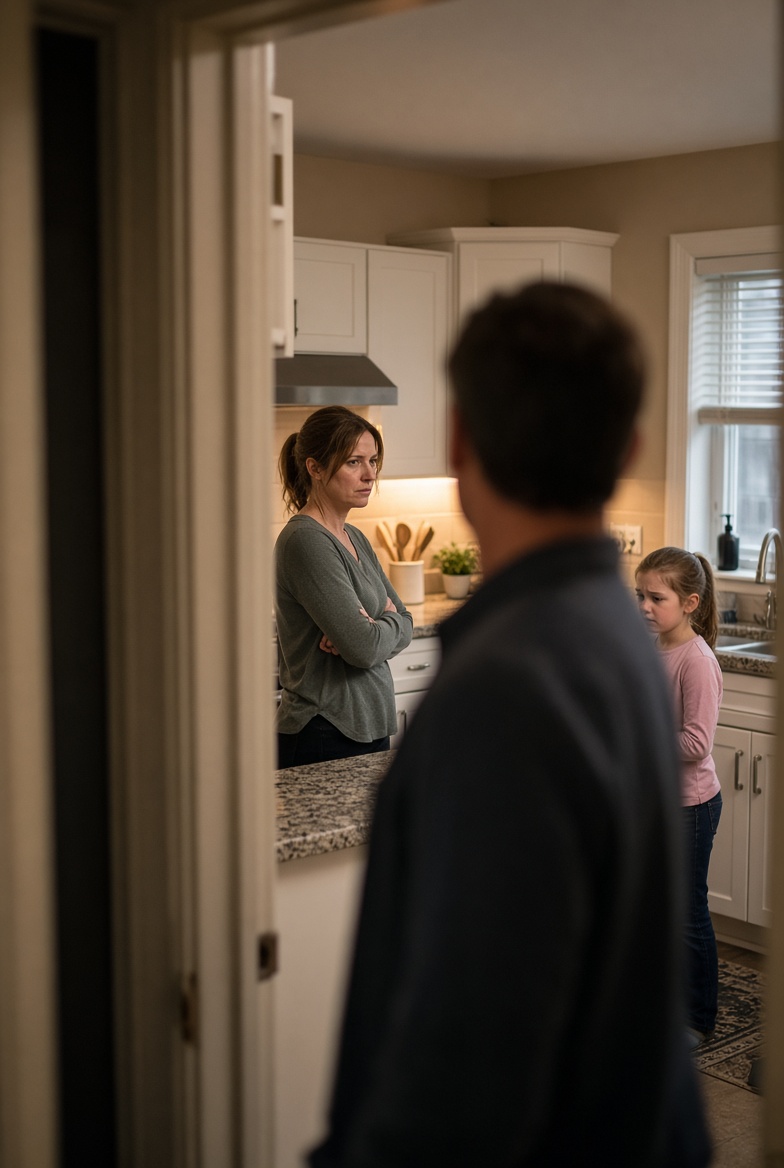
"Your dad knew," Curtis told Jason directly, the first time they spoke on the phone, a call Jason took in our kitchen with his hands shaking around the receiver. "He wasn't the one doing it. But he knew, and he stayed, and nobody ever made him answer for that either."
Jason hung up and sat at the table for a long time without saying anything.
"I used to think he was the safe one," he finally said. "The parent who just... wasn't around enough to stop it. I never thought about the fact that not stopping it is its own kind of choice."
I didn't have anything comforting to offer him, and for once I didn't try to manufacture something. Some of what he was working through wasn't mine to fix — it was his, decades overdue, and it was going to take longer than a custody hearing to untangle.
What I could offer him was smaller and more specific: I told him that if he wanted to keep going to counseling after the case resolved, whichever way it resolved, I'd support that. Not because it fixed what happened to Owen. Because breaking whatever this was seemed like the only thing that mattered more than winning.